Homeowners insurance

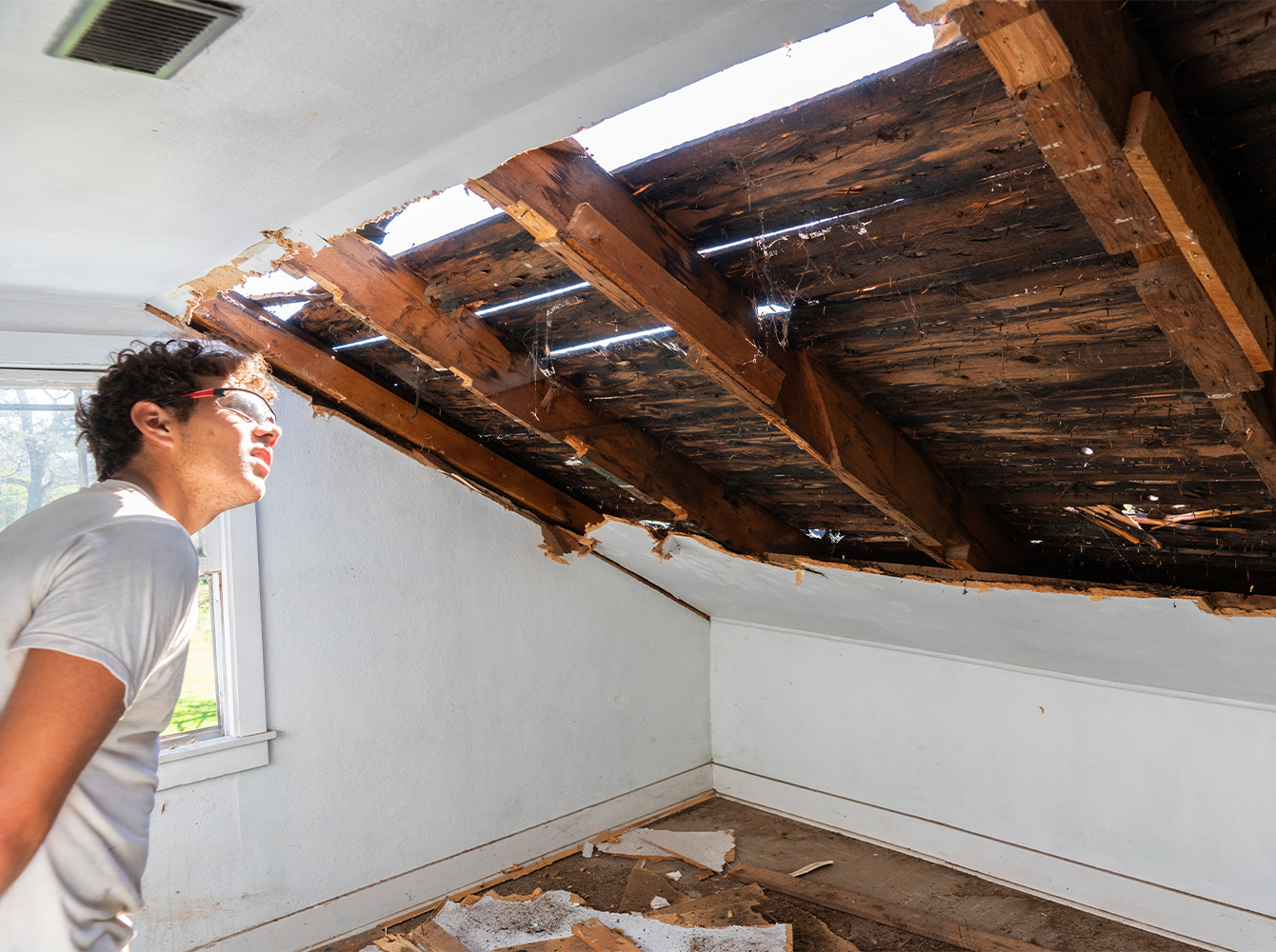
Imagine this: a summer storm tears through your neighborhood, ripping shingles off your roof and leaving water damage throughout your home. You file a claim expecting your insurance company to cover the full repair costs, but the settlement check arrives at half of what your contractor quoted. You’re confused, frustrated and wondering if you’re being shortchanged. This scenario plays out thousands of times each year, and the confusion usually stems from one critical factor: how insurance determines repair versus replacement, and which valuation method they’re using. Replacement cost value (RCV) coverage pays to repair or replace damaged property with new materials of like kind and quality, while actual cash value (ACV) subtracts depreciation, leaving you with what the item was worth at the time of loss. Whether your insurance company pays based on replacement cost value or actual cash value makes an enormous difference in your payout. Understanding how insurance companies decide between repairing your damaged roof, appliances or belongings versus replacing them with new items, how depreciation factors in and what questions to ask your adjuster can mean the difference between a fair settlement and a financial shortfall.
Insurance companies evaluate damage based on cost-effectiveness and policy terms, with the decision hinging on whether repair costs exceed a percentage of the item’s replacement value (typically 50% to 70%). This threshold varies by insurance company and item type, whether you’re dealing with a roof, HVAC system or personal property. Major structural components like roofs follow depreciation schedules and totaling thresholds.
Here’s how this plays out in real life: Your roof sustains hail damage during a storm. A full roof replacement would cost $15,000, but your contractor estimates repairs at $11,000. Since the repair cost is 73% of replacement value (above the typical 70% threshold), your insurance company will likely opt to replace the entire roof rather than patch it. However, if repairs were only $7,000 (47% of replacement value), they’d approve the repair instead.
Several factors drive this decision: the extent of damage (cosmetic versus structural), the age and condition of the damaged property, the cost to repair versus replace with like kind and quality materials, your policy language and coverage limits and local labor and material costs. An adjuster assesses all these elements to determine the most practical path forward.
Not sure what your policy covers? A VIU by HUB advisor can review your declarations page with you and explain exactly what to expect if you need to file a claim.
ACV and RCV represent two fundamentally different valuation methods, and understanding the difference between ACV and RCV coverage is critical to setting realistic claim expectations. Many disputes stem from policyholders assuming they have RCV when they actually have ACV coverage, so check your declarations page before you need to file.
Here’s how they compare:

Depreciation reflects the loss of value over time due to age, wear and expected lifespan. Insurance companies use depreciation schedules based on item type (roofs, appliances and flooring all depreciate at different rates). The calculation reduces your initial payout under ACV policies or determines the recoverable amount under RCV, which helps explain why your insurance settlement may seem low at first.
Common depreciation factors include the age of the item or structure, its expected useful lifespan (20 years for a roof, 10 years for carpet), its condition at the time of loss and the type of material involved (architectural shingles versus three-tab, hardwood versus laminate).
Here’s a real-world example: A roof with a 20-year lifespan that’s 10 years old has depreciated 50%. If replacing the roof costs $10,000, your ACV payout would be $5,000. Under RCV, you’d get $5,000 initially, then recover the other $5,000 after replacement and documentation. This is called recoverable depreciation in homeowners insurance.
Recoverable depreciation is the withheld portion of a replacement cost claim that’s paid once you complete repairs and submit proof. It’s the gap between ACV and RCV, and this two-stage payout system protects insurance companies from paying for work that never gets done.
To recover depreciation, file your claim and receive the initial ACV payment, then hire contractors and complete repairs or replacement. Submit invoices, receipts and proof of work to your insurance company so they can release the recoverable depreciation amount. There’s often a time limit (180 days to two years) to complete repairs and claim recoverable depreciation, so act promptly.
Asking the right questions upfront prevents confusion and helps you understand your insurance claim settlement amount. These conversations with your adjuster set the foundation for a smooth claims process and realistic expectations about your payout. Adjusters are there to help, but it’s your responsibility to clarify the details that matter most to your financial recovery.
Start with these critical questions:
Document all communication and keep copies of estimates, invoices and correspondence throughout the claim settlement process.
Receiving full replacement cost from insurance requires completing repairs and submitting documentation; it’s not automatic. Being proactive and organized throughout the process makes sure you receive every dollar you’re entitled to under your policy.
Here are the steps to secure your full payout:
Understanding how insurance companies decide between repair and replacement (and how depreciation affects your homeowners insurance payout) empowers you to navigate claims with confidence. Know whether you have RCV or ACV coverage before a loss occurs, ask questions, document everything and review your dwelling coverage limits annually. While the process can feel complex, being informed puts you in control of your claim outcome.
Ready to review your homeowners policy? Contact the VIU by HUB Advisory Team and make sure you have the protection you need before the unexpected happens.
The VIU Point is here to help you make sense of it all, so you can confidently compare auto insurance quotes and make the best policy decisions.